OPINION: Teachers Under Siege — The Growing Crisis of Violence and Indiscipline in Ghana's Schools
By System Administrator · Sat Jun 13 2026
Ghana's teaching profession is facing an unprecedented crisis. Educators across the country report growing violence, threats from parents, and a collapse of school discipline — yet policymakers remain silent. It is time to act.
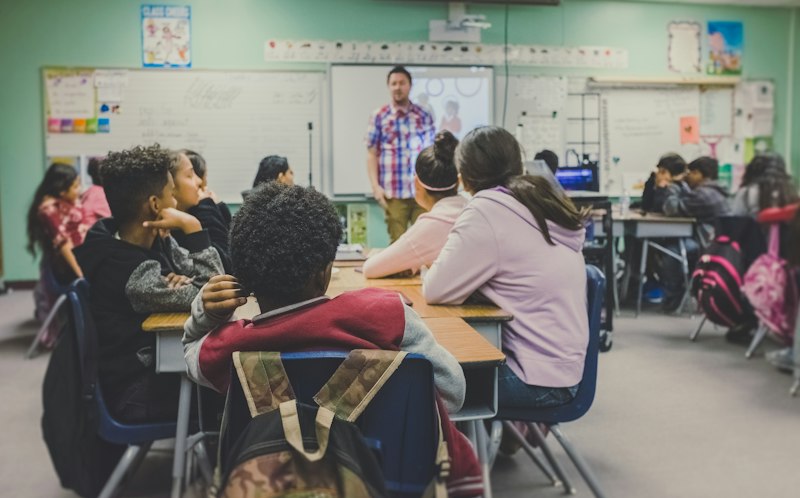
Something is deeply wrong in Ghana's classrooms, and it is time we talked about it honestly, without flinching.
Across the country's pre-tertiary schools, teachers are facing a growing crisis of indiscipline and violence. Not the ordinary boisterousness of youth — but genuine aggression, physical attacks on educators, organised disruption, and a breakdown of the fundamental relationship of respect that makes education possible.
Reports are emerging from schools across all regions of teachers being assaulted by students, sometimes right in the classroom. Senior teachers and headmasters are being confronted and threatened by angry parents who arrive at schools not to partner with educators but to defend their children's bad behaviour. And increasingly, teachers are being filmed during altercations and having those videos shared on social media, turning moments of classroom discipline into public spectacles — often with the teacher cast as the villain.
The Numbers Paint a Grim Picture
According to Ghana's National Association of Graduate Teachers (NAGRAT) and the Ghana National Association of Teachers (GNAT), incidents of violence against teachers have increased significantly over the past five years. In a 2024 survey, over 60% of surveyed teachers reported experiencing verbal abuse from students or parents; more than 25% reported physical intimidation; and nearly one in five said they had considered leaving the profession due to safety concerns.
These are not fringe cases. They represent a systemic collapse.
Root Causes: A Multi-Layered Crisis
The causes of this crisis are complex and intertwined. First, there is the erosion of parental authority. Many children arrive at school without the foundational discipline instilled at home, placing an impossible burden on teachers to manage classrooms of 50 or more students while simultaneously serving as surrogate parents.
Second, the rise of social media has fundamentally altered the power dynamic in schools. Students know that any disciplinary measure — even a raised voice — can become a viral video. Teachers are paralysed, afraid to act, while students grow bolder.
Third, successive governments have watered down the legal framework for school discipline. The removal of corporal punishment — while well-intentioned — was not accompanied by the introduction of effective alternative discipline frameworks. Teachers were told what they could no longer do, but not given the tools, training, or authority to maintain order by other means.
Fourth, Ghana's courts have been inconsistent in how they treat school discipline cases. Several high-profile incidents have ended with teachers prosecuted for attempting to enforce basic rules, sending a chilling message to the entire profession.
What Must Change
Ghana cannot afford to lose an entire generation of dedicated teachers. The profession is already under-resourced, underpaid, and overstretched. If we add to that the daily fear of violence and public humiliation, we will be left with only those who had no other choice.
What is needed is urgent and concrete: a national school discipline policy that gives teachers clear, legally protected authority to maintain order; a fast-track legal mechanism to handle school violence cases; mandatory sensitisation campaigns for parents on the boundary between advocacy and intimidation; and a public declaration by the Ministry of Education that teacher safety is non-negotiable.
Ghana's schools are not just buildings. They are the foundation of the nation's future. We cannot build that future on a profession under siege.